
Mold smell vs. musty smell: how to tell the difference (and when to call a professional)
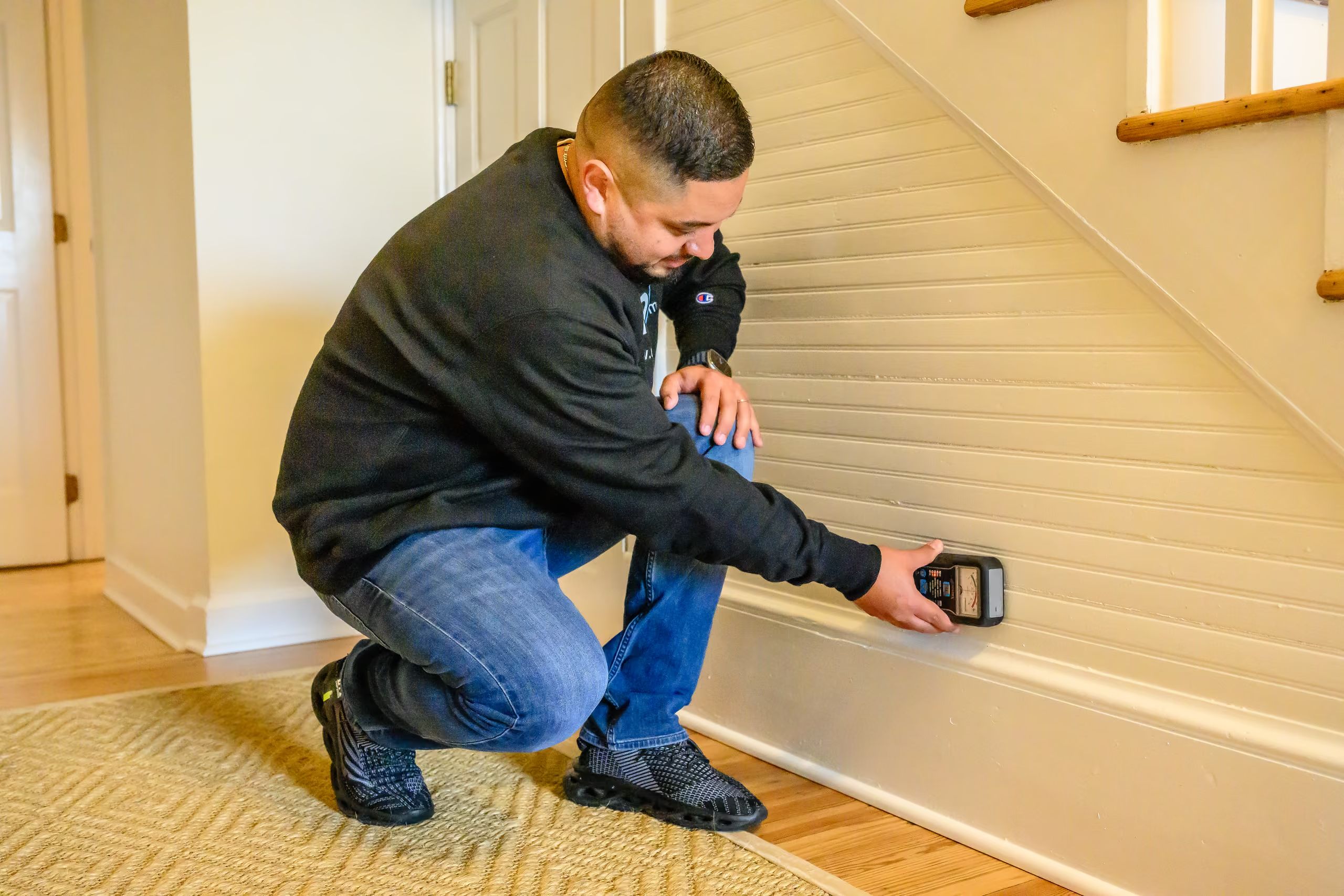
During the colder months, how can you tell if that musty odor in your home is a mold smell vs. musty smell caused by winter staleness?
It helps to understand why homes smell different during the wintertime, how you can reasonably check on your own, and when it makes sense to bring in a local professional for a closer look.
Why homes smell different in winter
Colder temperatures often mean we keep our homes closed up, running the HVAC to keep everything warm inside. In Northern Virginia, winter also means wide temperature swings and increased condensation. With less fresh air coming in, everyday odors can linger longer - creating what many homeowners describe as “stale” or “musty” air.
Mold can grow anytime moisture is present - including during the winter. Most types of indoor mold thrive at typical indoor temperatures (around 65-75°F).
Mold smell vs. winter staleness: What’s the difference?
When mold is present, the odor is persistent. It often smells earthy and damp, and it can be more noticeable in enclosed areas where moisture tends to linger, like basements, bathrooms, and closets.
Winter staleness, on the other hand, often smells flat or dusty. Properly ventilating your space or changing your HVAC filter usually solves seasonal musty odors.
If you’re noticing any of the following, it’s a sign the smell may be tied to moisture or mold rather than seasonal mustiness:
- The smell lingers despite cleaning and ventilation
- The smell returns quickly after airing out your space
- You notice condensation or dampness in the area
Mold testing options: DIY kits vs. professional testing
DIY mold test kits – helpful, but limited accuracy
DIY mold test kits can be helpful tools, but they range in quality and aren’t always 100% reliable. A positive DIY test result doesn’t always mean you have a mold problem, and a negative result doesn’t necessarily mean there’s no mold present, as mold growth often hides behind walls, under flooring, and in crawlspaces.
If you decide to use a DIY kit, don’t rely on the test results alone to tell you what you need to know: be sure to also consider other indicators like water stains, peeling paint, and high humidity indoors. And remember that for serious issues, or if you aren’t sure, a professional evaluation is a safer bet.
Professional mold testing – how it’s different from DIY solutions
Professional mold assessments are designed to understand not just whether mold is present, but why it’s there and whether it poses a real risk to your home. They can include a range of techniques to determine the extent of mold growth, like:
- Air testing
- Surface sampling
- Moisture detection
- Lab analysis + interpretation
At Umpire, we look at patterns - not just individual results. That means comparing indoor and outdoor air samples, identifying moisture sources, and interpreting lab data contextually. This approach helps homeowners avoid unnecessary remediation while making sure real issues don’t get overlooked.
When to call a professional
In Northern Virginia homes with basements or crawlspaces, water can travel far beyond where it’s visible, making a professional assessment especially valuable following a leak, burst pipe, or flood.
Here’s when to call a professional if you are on the fence or wondering whether to call a local expert:
After water intrusion
If you’ve recently experienced water damage and are concerned there may be mold, a professional mold assessment should be conducted as part of the overall cleanup and mitigation plan. (At Umpire, when requested, we conduct mold testing after water damage cleanup service.)
When damage is suspected
If you see or suspect damage due to moisture, you may want a professional mold evaluation. Especially if you suspect structural damage or wood rot, it means that you could have serious untreated mold.
When health changes follow moisture events
Most molds aren’t harmful to most people - but some are. Young children or people with asthma, allergies, or compromised immune systems may be more sensitive to mold, even when others in the home feel okay.
If you or someone living in your home begins having unexplained upper respiratory problems or allergic reactions, mold could contribute, especially if the change in health happens after a serious water intrusion event.
The bottom line for homeowners
Not every musty smell in the wintertime means you have a mold problem. Many homes simply need better airflow during the colder months. But if you think something doesn’t smell right, it’s okay to ask questions.
At Umpire, we’re always happy to help you understand what’s going on and talk through next steps - whether that leads to an in-person inspection or just greater peace of mind.
Worried about mold and want a professional opinion? Reply or call anytime for a no-strings conversation.
When you’re ready, we’ll be there. Call 24/7 for immediate help.